
Homepage | Waddle for a Cause | International Polar Bear Day
Polar bears are iconic mammals that inhabit the Arctic regions of the Northern Hemisphere. Each population lives in a distinct area, relies on sea‑ice for hunting seals, and possesses specialized adaptations such as thick fur, massive paws, and powerful swimming abilities. By learning about polar bears, we can see how climate change‑driven ice loss and pollution impact wildlife, and discover ways we can help protect their fragile habitat.

Learn about Polar Bears
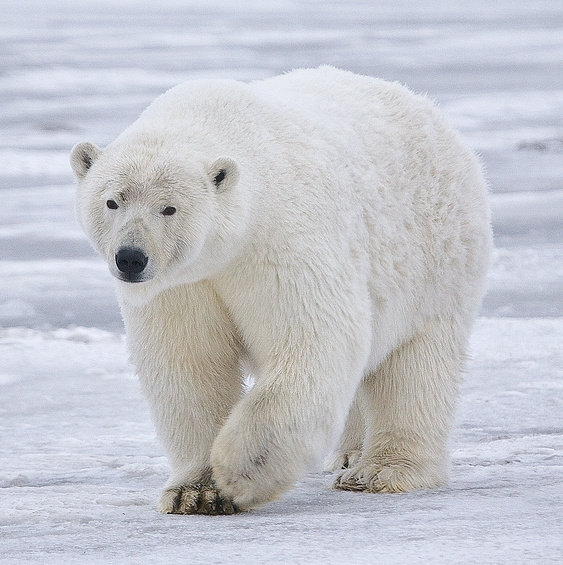
- Adult male polar bears can weigh as much as a small car (up to 1,500 lb.)
- Their huge, wide feet spread their weight so they don’t sink into deep snow or thin ice.
- In the wild, polar bears can live up to 25 years, and some have reached 30 years in captivity.
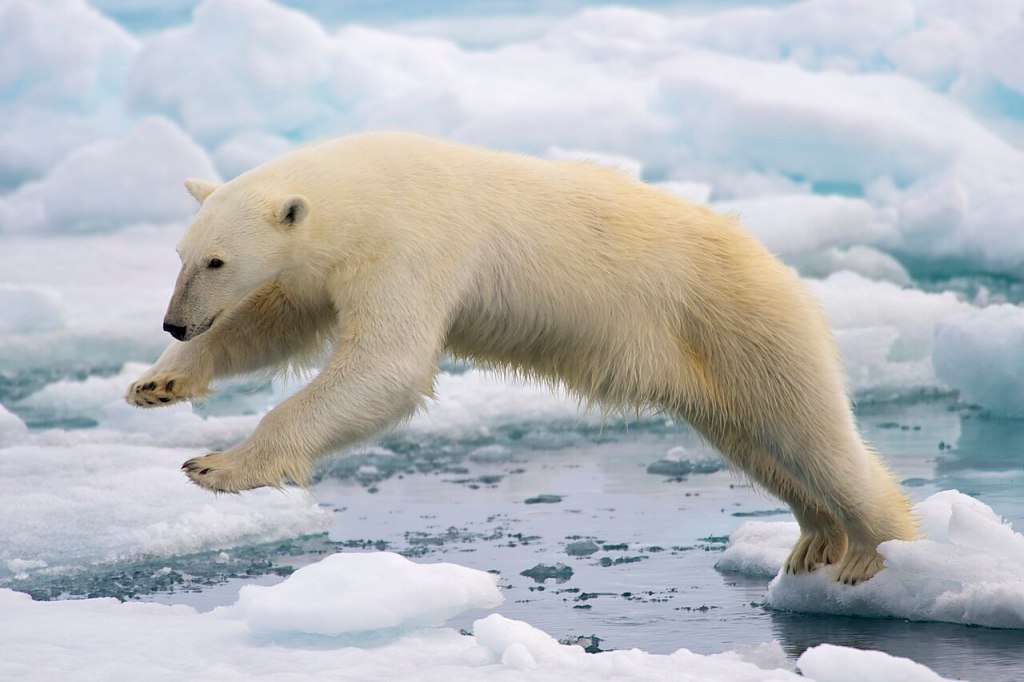
- When they need to run, they can sprint up to 40 km/h for short bursts, faster than most people can jog.
- Their fur isn’t really white. Each hair is actually transparent and hollow, which helps trap heat. Their skin underneath is black, so they soak up sunlight like a solar panel.
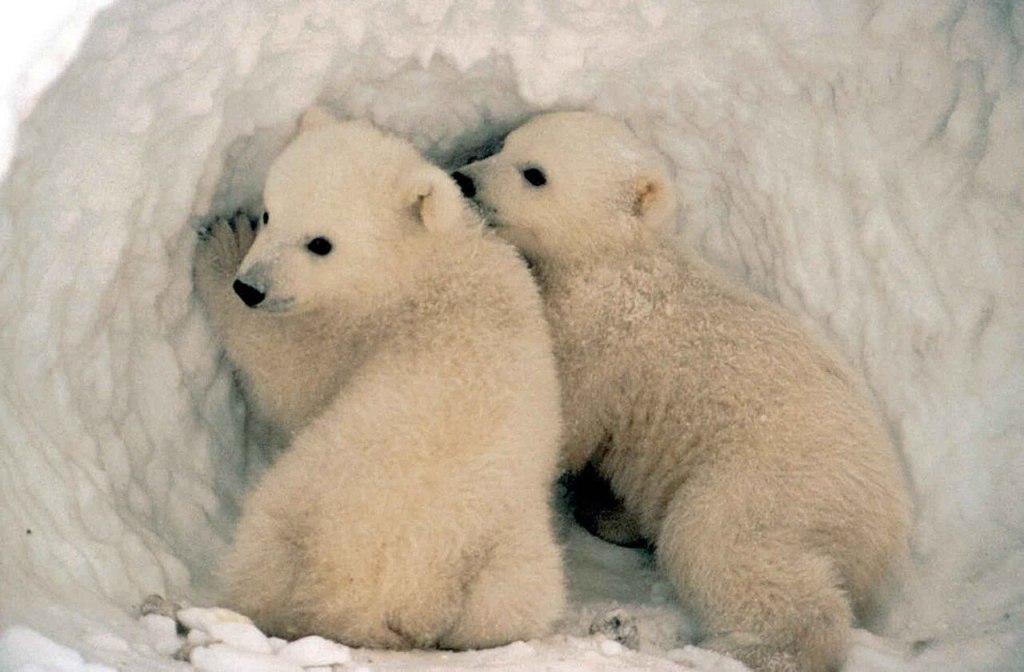
- A mother stays with her cubs for about two years, teaching them how to hunt and survive on the ice.

- Polar bears can paddle for miles—some have been seen swimming over 60 km without stopping.
- A polar bear can smell a seal breathing hole from more than 1.6 km away
Why Polar Bears Need Our Help
The Arctic’s sea‑ice is disappearing because the Earth is getting warmer. Polar bears use the ice like a giant playground and a hunting platform. Without enough ice, they can’t catch the seals they need to eat.
How Kids Can Help
Even though you’re far from the North Pole, the choices you make every day can help Polar Bears.
- Turn off lights when you leave a room
- Plant a tree (or help in a school garden)
- Recycle & reduce plastic
Learn More & Support Polar Bears
Adults can help polar bears by supporting organizations that protect wildlife and oceans. Here are a few trusted ones:
- Polar Bears International – Runs scientific research, educates the public, and pushes for policies that keep sea‑ice intact.
- World Wildlife Fund (WWF) – Protects polar‑bear habitat, monitors sea‑ice loss, and works with Indigenous communities to keep bears safe.
- WildAid (Wildlife Conservation) – Focuses on reducing illegal hunting and trade, and runs campaigns to keep Arctic ecosystems healthy.





 That Penguin Game
Leave us a comment below!